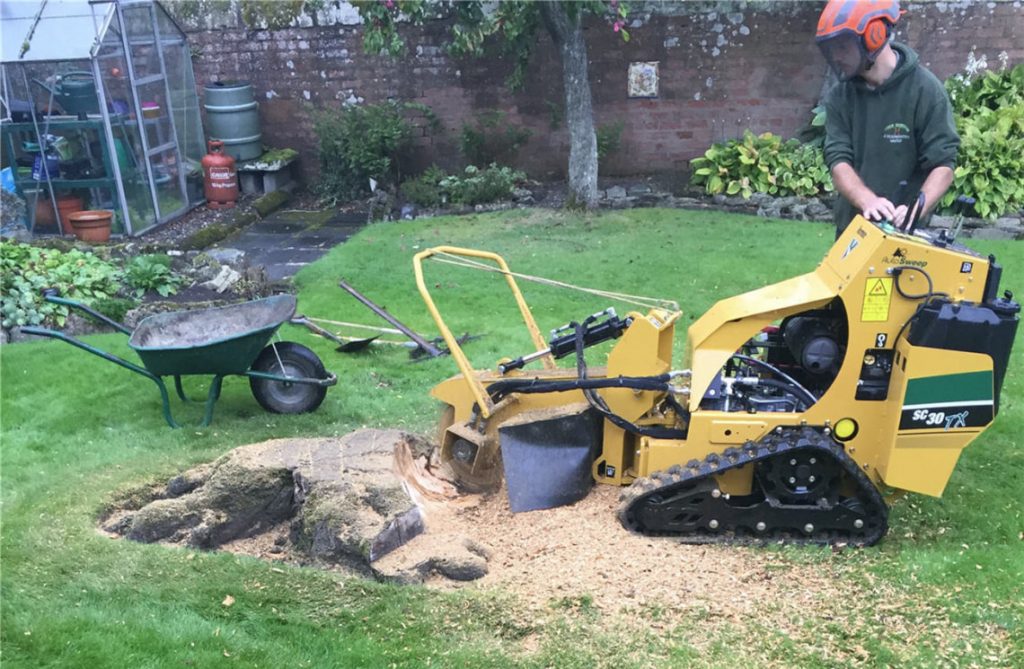
Trees leave a lasting mark on outdoor spaces even after they are cut down. A remaining stump can affect ground quality by limiting natural growth and reducing available space for roots. Proper care helps keep the area productive while encouraging steady plant development. Healthy ground management supports stronger growth across open spaces, with Stump Grinding Manchester helping create cleaner and more suitable conditions for continued landscape growth.
Improving Ground Structure
When a tree base remains for a long period, it can affect the condition of surrounding earth. Gradual breakdown may create uneven areas that interfere with natural root spread. Removing unwanted wood material allows the ground to settle more evenly. This process supports better use of available growing space for nearby plants.
Reducing Decay-Related Issues
Old wood left in place may slowly break apart beneath the surface. This process can influence surrounding soil balance while attracting unwanted organisms.
- Clear leftover wood pieces to improve growing space quality
- Remove unwanted roots before they affect nearby vegetation growth
- Keep open areas ready for fresh planting throughout seasons
- Encourage balanced earth conditions through careful maintenance practices
- Support stronger root spread within available planting sections
Supporting Natural Nutrient Balance
Nutrients move through the ground to support healthy plant growth. Large remaining wood sections may affect how these resources are distributed. Proper removal methods help maintain a more even balance within the area. This creates better conditions for developing roots and surrounding vegetation.
Creating Space for Growth
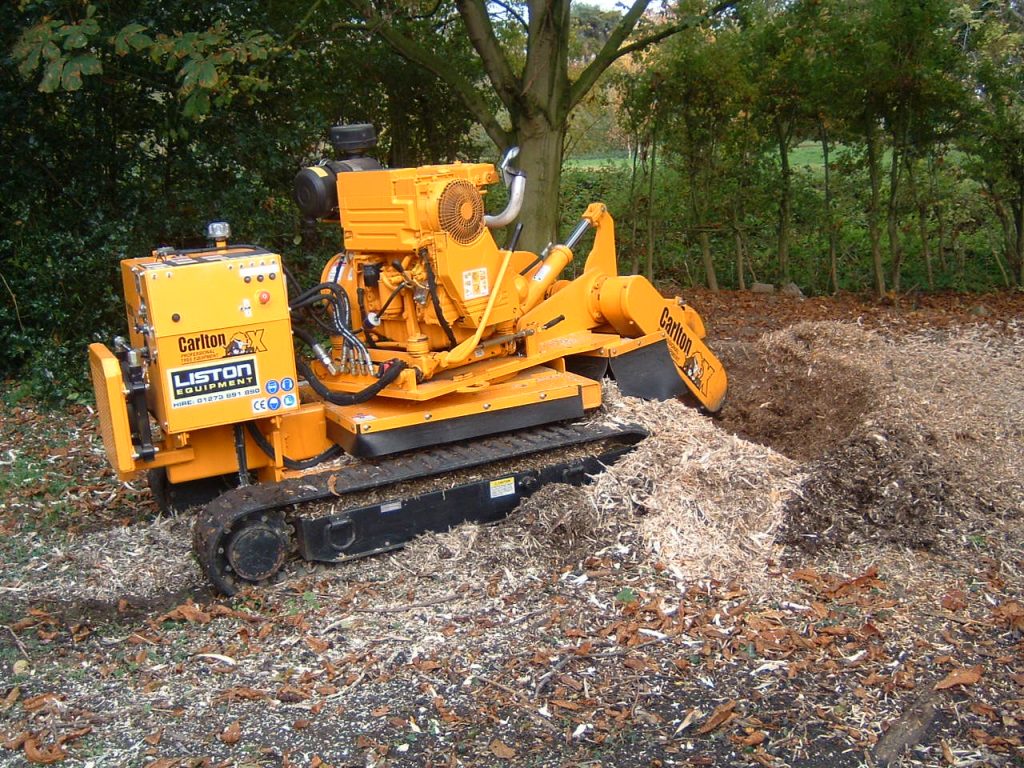
Open ground allows plants to establish roots without unnecessary barriers. Leftover tree remains can restrict movement beneath the surface. Through Stump Grinding Manchester, unused sections are cleared efficiently while preserving surrounding areas. Better access to soil encourages stronger growth patterns and improved use of available land.
Productive Area Maintenance
- Maintain open sections for steady plant establishment and expansion
- Improve planting readiness through careful surface preparation methods
- Reduce underground obstacles affecting root movement across growing areas
- Preserve usable land for future gardening or landscaping projects
- Encourage healthy development through consistent ground management efforts
Limiting Pest Attraction Risks
Decaying wood can attract insects that seek shelter within aging material. Once established, these pests may spread to nearby vegetation. Removing unnecessary remains reduces opportunities for infestation. Cleaner outdoor areas often support stronger plant health while maintaining better growing conditions.
Encouraging Better Moisture Control
Balanced moisture levels help roots function properly throughout changing seasons. Large wood remains may interfere with water movement in certain areas. Removing them allows moisture to spread more evenly through the ground. Consistent water distribution supports healthy development across surrounding plant life.
Proper attention to leftover tree remains helps create stronger growing conditions over time. Clearing unwanted material improves nutrient movement, supports root activity, reduces pest concerns, and encourages balanced moisture levels. Careful ground management provides a practical solution for maintaining productive outdoor areas while promoting steady plant development for future growth.
FAQs
Why remove old tree remains from planting areas today?
Removing them supports healthier growth and improves usable ground conditions.
How can grinding improve planting space around existing vegetation?
Grinding clears barriers and encourages stronger root development patterns.
What supports better moisture movement through outdoor growing areas?
Proper clearing allows water distribution across the soil more effectively.