Understanding the Relationship Between Orthodontics and Tooth Enamel
The pursuit of a straighter smile has long been associated with concerns about the health of tooth enamel. Whilst orthodontic treatment offers transformative benefits for dental alignment, the method chosen can significantly impact the integrity of the enamel surface. Traditional fixed brackets have served patients well for decades, yet modern alternatives like Invisalign Limerick have emerged with distinct advantages for enamel preservation. Understanding how these different approaches affect the protective outer layer of teeth helps patients make informed decisions about their orthodontic journey.
Tooth enamel represents the hardest substance in the human body, yet it remains vulnerable to damage during orthodontic treatment. The choice between clear aligners and conventional brackets involves more than aesthetic considerations; it fundamentally affects how forces are applied to teeth and how oral hygiene can be maintained throughout treatment. Research has consistently demonstrated that the methodology employed during tooth movement plays a crucial role in determining long-term enamel health.
How Traditional Brackets Affect Enamel Integrity
Fixed orthodontic brackets require bonding directly to the tooth surface using specialised adhesives. This process, whilst refined over many years, necessitates careful preparation of the enamel and creates permanent attachment points that remain throughout treatment. The bonding procedure itself involves etching the enamel to create a rough surface that allows for stronger adhesion, which inherently alters the natural enamel structure.
The challenges extend beyond the initial placement. Brackets can contribute to enamel demineralisation when plaque accumulates around the hardware, creating an environment where acids attack the tooth surface. These fixed appliances create numerous areas where food particles and bacteria can collect, making thorough cleaning considerably more difficult. Even with meticulous oral hygiene, the presence of brackets and wires creates obstacles that complicate effective brushing and flossing.
The Removable Advantage of Clear Aligners
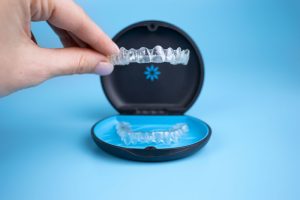
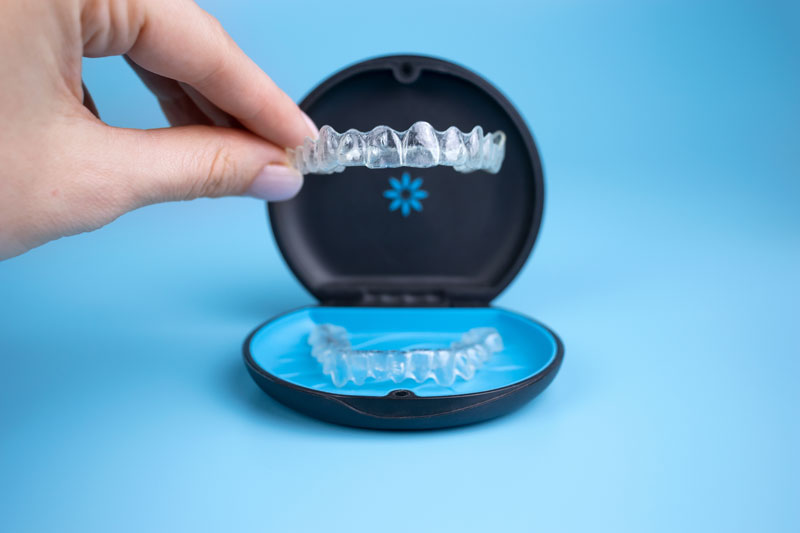
Clear aligner systems function on an entirely different principle that inherently protects enamel throughout the treatment process. Rather than bonding hardware to teeth, these transparent trays fit snugly over the dental arch and can be removed for eating and cleaning. This fundamental design difference eliminates many of the enamel-related complications associated with traditional brackets.
The removability factor cannot be overstated when considering enamel preservation.
Patients can maintain their regular oral hygiene routines without navigating around fixed hardware, allowing for complete access to all tooth surfaces. This straightforward approach to dental care during orthodontic treatment dramatically reduces the risk of plaque accumulation and the subsequent acid attacks that compromise enamel integrity.
Reduced Demineralisation Risk
Studies examining orthodontic treatment outcomes have revealed compelling evidence regarding enamel health. Research comparing demineralisation patterns between different orthodontic modalities shows that removable aligners present fewer opportunities for the white spot lesions that commonly develop around fixed brackets. These lesions represent areas where enamel has begun to break down, creating permanent marks that persist long after treatment concludes.
The absence of bonded attachments in most Invisalign cases means that saliva can naturally flow across tooth surfaces, providing its protective buffering effect and remineralisation properties. This natural defence mechanism becomes compromised when brackets create stagnant areas where bacterial colonies can flourish undisturbed.
Force Application and Enamel Stress
The biomechanics of tooth movement differ considerably between systems. Clear aligners distribute forces more evenly across the tooth surface, creating gentler pressure that moves teeth gradually. Traditional brackets concentrate forces at specific bonding points, which can create stress concentrations in the enamel structure. Whilst both methods achieve effective tooth movement, the distributed force pattern of aligners offers a more physiologically harmonious approach.
Making an Informed Choice for Long-Term Dental Health
The evidence supporting clear aligners for enamel preservation continues to grow as more long-term studies examine treatment outcomes. For those seeking orthodontic correction whilst prioritising the health of their tooth enamel, consulting with a dentist who offers modern aligner systems provides an opportunity to explore these protective benefits firsthand.
The choice between traditional brackets and clear aligners extends beyond convenience and aesthetics. Enamel preservation represents a critical consideration for long-term dental health, as damaged enamel cannot regenerate. By understanding how different orthodontic approaches affect this vital protective layer, patients can select treatments that align with their priorities for both immediate results and lasting oral health. The advancement of Invisalign technology has provided an effective alternative that addresses many of the enamel-related concerns historically associated with orthodontic treatment.